How to Find and Maximize Networking Events for Your Small Business
October 25, 2026 · 3 min read
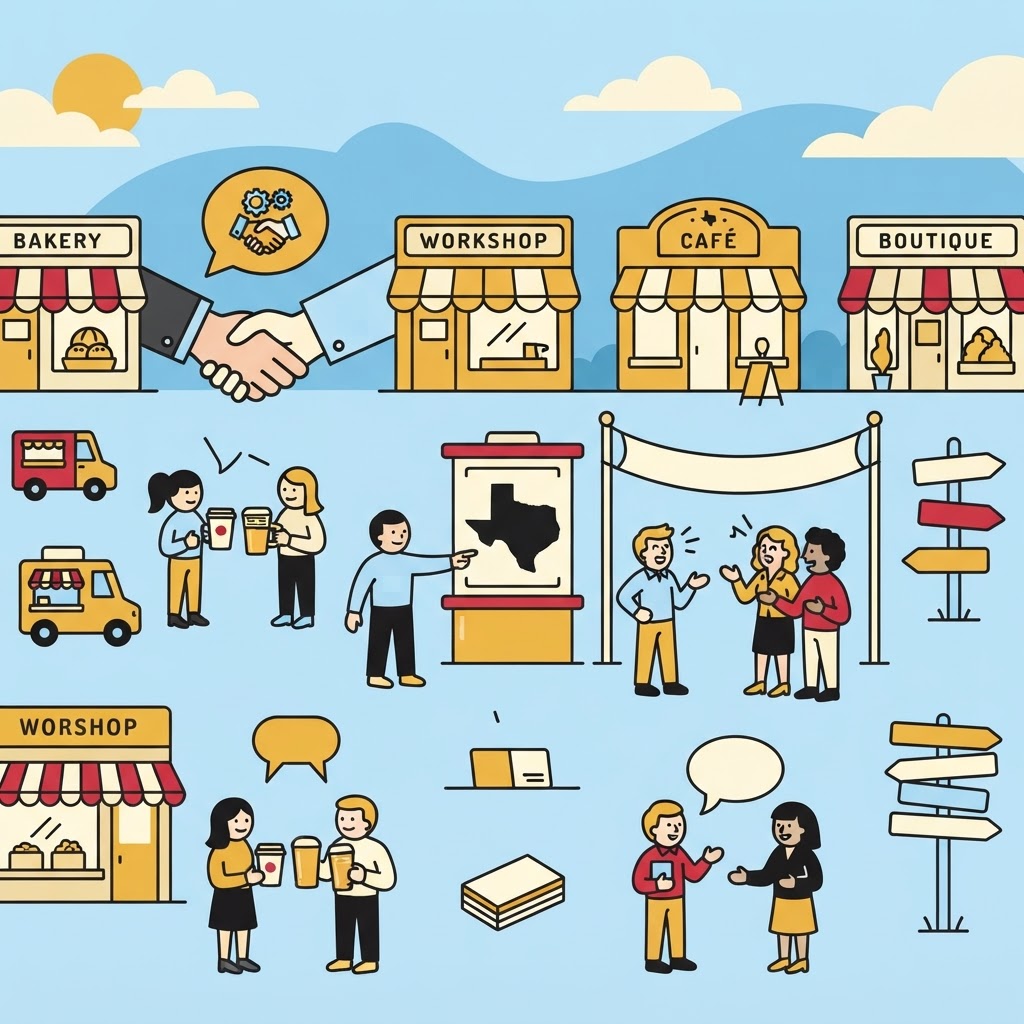
For many small business owners, the word networking conjures images of endless banquet halls and awkward small talk. However, when approached with a strategic mindset, networking shifts from a time-consuming chore into a powerful engine for business growth. By moving away from the goal of simply collecting business cards and toward building purposeful, long-term professional relationships, you can ensure every hour spent at an event yields a measurable return.
Key takeaways
- Prioritize quality interactions over the quantity of contacts made.
- Develop a clear strategy and set specific goals before attending any event.
- Use 'micro-networking' to maintain connections without the time cost of large conferences.
- Evaluate success using both tangible sales data and intangible benefits like brand awareness.
- Timely follow-up is the most critical step in converting a meeting into a business relationship.
Why Strategic Networking Matters for Small Business
Networking is often misunderstood as a game of volume. In reality, successful networking requires setting measurable goals and creating a strategy S1. Instead of treating every gathering as a chance to distribute as many business cards as possible, view it as an opportunity to cultivate meaningful connections that foster sustainable growth. This shift in mindset transforms networking into a targeted business development tool rather than a social obligation.
Finding the Right Events for Your Goals
Not all events offer equal value. A strategic approach begins by identifying organizations or events that directly align with your target audience S1. While industry-specific conferences provide depth, local community gatherings can offer broader visibility. For time-strapped owners, 'micro-networking'—which involves short, focused video chats or brief in-person meetings—serves as an efficient alternative to multi-day, time-intensive conferences S2.
Essential Preparation Before the Event
Preparation is the foundation of efficiency. Before you step foot in the room, ensure you have a polished elevator pitch and your contact information—digital or physical—ready to share S1. Beyond personal assets, take the time to research attendee lists to identify key connections. This allows you to prioritize high-value conversations and approach the event with a clear roadmap of who you need to meet S1, S5.
Maximizing Your Time While at the Event
Once you arrive, resist the urge to meet everyone. Focus on active listening and engagement to establish genuine rapport. Because your time is limited, prioritize high-value conversations that align with your pre-set goals for the event. This measured approach ensures that you leave the venue having made a few strong, relevant connections rather than a stack of contacts that offer no long-term potential.
Measuring ROI and Executing the Follow-Up
Networking ROI isn't just about immediate sales. It encompasses tangible metrics like new lead generation as well as intangible benefits like brand awareness and industry insights S4. However, the most vital component of this return is the follow-up. Following up with new contacts shortly after an event is critical to converting initial meetings into enduring business relationships S1.
Frequently asked questions
How do I know which networking events are worth my time?
Evaluate events based on your target audience. Look for gatherings where your potential clients or strategic partners are likely to congregate, and prioritize those that align with your specific growth goals.
What if I don't have time for long networking events?
Consider micro-networking. This involves replacing large, all-day events with shorter, more focused interactions such as brief video chats or quick coffee meetings, which can be just as effective for building professional ties.
How should I measure the success of a networking event?
Track both tangible and intangible results. Tangible metrics include sales, new customers, or booked appointments, while intangible benefits include enhanced brand awareness and gaining valuable industry insights.
Successful networking is not about being the loudest person in the room or attending every event on the calendar. By selecting events carefully, preparing thoroughly, and prioritizing thoughtful follow-up, you can turn networking into a reliable and efficient strategy for small business growth. Remember that every connection is an opportunity; approach each one with the intent to provide and gain value.
Sources
- Build Your Business Through Networking - Small Business Administration — Small Business Administration (2018-11-16)
- Effective Networking Strategies for Small-Business Owners — Inc. (2024-02-15)
- 15 Essential Tips to Maximize Vendor Event ROIs for Small Businesses | Chase for Business | Chase.com — Chase for Business (2025-11-14)
- Maximizing ROI in Networking | SUCCESS — SUCCESS (2025-10-01)